Pizza Place Cheyenne Stops Every Pizza Fan Should Know
Cheyenne does not always get top billing in national food conversations, but that is part of its appeal. You can still eat your way through town without fighting hype, waiting two hours for a table, or paying resort-town prices for a pie that should have stayed in the test kitchen. The best pizza place Cheyenne options tend to succeed for a simpler reason. They know their crowd. They serve families coming off youth sports games, downtown workers grabbing a late lunch, road trippers rolling in from I-80, and regulars who want the same booth, the same beer, and the same sausage-and-mushroom order they have been getting for years.
That local practicality shapes the pizza in useful ways. In a city like Cheyenne, a good pie has to travel well in a box, hold heat through a Wyoming evening, and satisfy people with very different tastes at the same table. It also needs personality. A place that survives here usually earns loyalty through consistency, fair portions, and a sense that somebody in the kitchen actually cares about the crust.
If you are trying to sort through the pizza place Cheyenne scene, the smartest move is not to chase a single “best” pie. It is to understand the different kinds of stops that matter, what each one does well, and when each fits the moment. A thin, crisp pie for a quiet lunch is not the same job as a loaded family-size pizza after a high school football game.
What makes pizza in Cheyenne distinctive
Cheyenne sits at an interesting crossroads. It has western roots, a steady local base, military ties nearby, and a constant flow of travelers. That mix changes restaurant expectations. Some towns support only one style, usually whatever the owners grew up with. Cheyenne tends to reward range. You will often find menus that mix classic red-sauce comfort with a few bolder combinations, along with wings, pasta, sandwiches, and salads built for groups that cannot agree on one thing.
The climate matters too. On a cold, windy night, a pizza with a sturdy crust, heavy cheese, and enough toppings to count as a full meal feels like common sense. In summer, especially when Frontier Days traffic reshapes the city’s rhythm, the ideal stop might be somewhere quick, central, and easy to get in and out of before the next event. That seasonality affects what locals mean when they recommend a place. Sometimes they mean the best-tasting pie. Sometimes they mean the place that can handle eight hungry people without turning dinner into a project.
I have always found that smaller western cities reveal themselves through their dependable food, not through flash. Pizza is a strong example. When a shop in Cheyenne gets the basics right, dough with flavor, sauce that tastes deliberate rather than sweet and generic, cheese that browns instead of just melts, people notice and come back.
The downtown stop that earns repeat visits
Every good pizza town needs at least one place that fits downtown life. In Cheyenne, that usually means a spot where lunch moves briskly, the slices or small pies come out fast, and the dining room can handle both solo diners and groups from nearby offices. These are the places that matter more than tourists often realize, because their reputation is built on repeated weekday use. If a downtown pizza shop stays busy with locals on ordinary Tuesdays, that tells you something.
The best version of this stop has a crust that stays crisp underneath even when topped generously. That matters for lunch, because no one wants the fold-and-pray experience where the slice collapses halfway to the plate. Sauce should be balanced and restrained. Too much sauce can weigh the pie down and turn lunch into a nap.
A good downtown pizza place in Cheyenne also tends to understand pacing. Lunch service should feel sharp without feeling rushed. You should be able to get in, eat well, and get back to work, or sit a little longer if you are meeting a friend. That flexibility is harder to pull off than it sounds. Plenty of places do dinner well because people arrive with time to spare. Lunch is where discipline shows.
If you are evaluating one of these downtown stops, order a simple pie first. Cheese, pepperoni, or sausage tells you far more than a specialty pizza loaded with distractions. Any kitchen can hide a pizza place cheyenne weak crust under enough toppings. A straightforward pie leaves nowhere to hide.
The family pizzeria that becomes part of the week
Some of the most important pizza place Cheyenne favorites are not the trendy ones. They are the places where birthday dinners happen, kids color on paper menus, and half the room seems to know one another. These are not backup options. In many towns, they are the real backbone of the local restaurant scene.
A strong family pizzeria does three things well. It makes medium and large pies that are easy to share, it keeps the menu broad enough for mixed groups, and it prices food in a way that does not punish people for bringing the whole household. The pie itself tends to lean hearty rather than delicate. Expect thicker layers of cheese, reliable dough, and toppings cut generously. This is pizza made to satisfy.
There is also a service style that goes with these places. Staff remember returning customers, not in a performative way, but in the ordinary way that comes from seeing the same people each month. That creates the kind of comfort many diners actually want. Not every meal needs to feel curated. Sometimes you just want confidence that the pie will taste the same as it did last time.
Cheyenne supports this model well because it is a city where routine still matters. Families build habits around sports schedules, school events, and work commutes. A pizza place that can become part of that pattern has real staying power. If you are new in town, this is often the best category to explore first because it reveals what locals value most: consistency, friendliness, and portions that make sense.
The sports-bar pizza stop that shines on game night
There is a particular kind of pizza ruffranoshellskitchenpizza.com pizza place cheyenne stop that performs best when the room is loud, the TVs are on, and nobody is counting napkins. In Cheyenne, where weather can push people indoors and game nights draw reliable crowds, these places matter. Their pizza is built for company. It may not be the most refined pie in town, but it often hits the mark when you want a full table, a pitcher of something cold, and food that arrives in a rhythm instead of all at once.
What separates a good sports-bar pizza from an average one is structural integrity. The crust needs enough chew to support toppings, especially on combination pies stacked with sausage, onion, peppers, olives, and extra cheese. If the center goes soft the moment the pie lands, the kitchen has missed the brief. The whole point of this style is easy, social eating.
These places also tend to reveal how well a restaurant handles volume. A Friday night rush tells you more than a quiet midafternoon visit. Are the pies still evenly baked when the house is full? Does the cheese still brown properly? Does the kitchen keep the wings crisp while turning out pizzas at speed? Those are practical tests, and they matter.
For travelers passing through, this kind of stop often works better than people expect. If you have spent hours on the road and just want something relaxed, a lively pizza-and-beer place can feel more restorative than a formal dinner. In Cheyenne, that ease is part of the city’s appeal. Meals do not need ceremony to be good.
The artisan shop worth slowing down for
Then there is the opposite end of the spectrum, the place that asks you to notice the dough, the blistering on the crust, the olive oil, maybe the local ingredients if the kitchen is committed to that approach. An artisan pizza shop in Cheyenne has to walk a fine line. If it gets too precious, it risks losing the room. If it stays grounded while paying attention to craft, it can become a standout.
This is where fermentation, flour choice, and oven technique start to matter more obviously. A dough with a longer rise develops flavor that no amount of garlic butter can fake. A hot oven creates those dark spots and airy edges that signal both heat and confidence. Fresh mozzarella behaves differently from low-moisture cheese, and the kitchen has to build around that. These details are not culinary trivia. They change how the pizza eats from the first bite to the last.
What I like about a good artisan stop in a practical city is that it proves sophistication and accessibility can coexist. You can appreciate a carefully made margherita or a white pie with ricotta and herbs without making the experience feel exclusive. The best places in this category keep the room welcoming. They may care deeply about process, but they still understand that dinner should be enjoyable, not instructional.
If you are choosing only one pizza place Cheyenne stop for a slower, more deliberate meal, this is the category to prioritize. Go with one classic pie and one house specialty. That gives you a read on both the fundamentals and the kitchen’s personality.
Delivery and takeout matter more here than people admit
In some cities, dine-in dominates the conversation. In Cheyenne, takeout carries real weight. Weather shifts quickly, schedules run tight, and plenty of people would rather take a hot pie home than linger in town after a long day. That means a pizza place cannot be judged only by what arrives on the table. It also has to perform in a box.
This is one of the most overlooked differences between good pizza and useful pizza. A thin crust that tastes wonderful straight from the oven may lose its edge after a 15-minute drive. A slightly sturdier pie, less glamorous in the dining room, might become the better choice for takeout because it holds heat and texture longer. Families know this instinctively, which is why local loyalty often clusters around places that travel well.
Good takeout pizza needs thoughtful packaging, but more importantly, it needs restraint. Too much sauce, too many wet toppings, or a rushed cut can compromise the pie before it ever leaves the kitchen. Cheyenne diners tend to reward shops that understand this. Convenience is not separate from quality. It is part of quality.
How to tell whether a pizza place is genuinely worth the stop
A menu can promise anything. The pie itself tells the truth fast. When I assess a new place, I usually pay attention to the same few things because they reveal both technique and judgment.
- The crust should taste like bread, not just a vehicle for toppings.
- The sauce should support the pie, not dominate it with sugar or raw acidity.
- Cheese should stretch and brown, not pool into an oily blanket.
- Toppings should fit the style of the pie instead of overwhelming it.
- The last slice should be almost as good as the first.
These standards sound basic, but that is the point. Pizza is one of the clearest foods for separating real competence from noise. In a city like Cheyenne, where diners have choices but not endless ones, places that master the basics tend to last.
Matching the stop to the moment
The right pizza place is often about timing. A common mistake, especially for visitors, is assuming every recommendation serves every purpose. Locals usually do not think that way. They have one place for lunch, another for family night, another for the game, and perhaps one more for the pie they really want when food is the focus rather than the backdrop.
Here is a practical way to think about it:
- For a quick weekday lunch, favor downtown spots with dependable slices or fast-fired small pies.
- For a family meal, look for broad menus, generous sizes, and easy parking.
- For a social night out, choose the lively pizza-and-bar environment over the more delicate artisan room.
- For takeout in bad weather, prioritize sturdier pies that hold up on the ride home.
- For a date or slower dinner, pick the place where dough and oven craft are clearly part of the identity.
Those distinctions may seem obvious, but they save disappointment. Pizza is context-sensitive food. The pie that feels perfect after a long drive may not be the one you remember most fondly over a quiet dinner, and that is fine. Good towns support both.
What visitors often miss about eating pizza in Cheyenne
Visitors sometimes arrive expecting every western city to telegraph its food identity immediately. Cheyenne is subtler than that. It does not always announce its best qualities in neon. You often need one extra visit, one recommendation from a hotel clerk or a local shop owner, or one casual dinner that turns out better than expected. Pizza benefits from that dynamic because it is woven into ordinary life here.
Another thing outsiders miss is that service style in Cheyenne often feels straightforward by design. Hospitality may be warm, but it is rarely theatrical. A place does not need polished urban branding to be good. If the staff are efficient, the room is clean, the beer is cold, and the pie arrives hot and properly baked, most people in town will consider that a strong showing. Frankly, they are right.
I have always trusted restaurants that seem more focused on feeding people well than on manufacturing an identity. In the pizza place Cheyenne landscape, that instinct pays off. A lot of the value is in the lack of fuss.
The toppings question, and why restraint matters
A surprising number of disappointing pizzas start with too much ambition. It is tempting to order the fully loaded house special, especially if a place is known for abundance. Sometimes that works. Often it produces a pie with a soggy center, muted flavors, and no real structure.
Cheyenne’s best pizza stops usually show better judgment. Even hearty pies need balance. Sausage should add seasoning, not salt everything into one note. Vegetables should still have shape and a bit of bite. Pepperoni should crisp at the edges instead of steaming under a cheese blanket. If a specialty pie includes a rich sauce and heavy toppings, the crust needs enough strength and flavor to carry the load.
There is a lesson here for diners too. If you are trying a new place, order with purpose. Start simpler than you think. Learn the crust, then branch out. A kitchen that nails a basic pepperoni or a mushroom pie has probably earned your trust for more adventurous orders later.
Why local loyalty matters more than rankings
People love to debate the best pizza in any city, but rankings flatten useful differences. One person wants tavern-style crispness. Another wants a puffy crust and bubbling cheese. Another values a kid-friendly room above all else. Cheyenne is no different. The places that matter most are often the ones woven into local routines, and that kind of loyalty is hard to fake.
When a pizza shop becomes part of Friday nights, post-game dinners, or cold-weather takeout habits, it is doing more than making food. It is solving a recurring problem well. That might not earn national headlines, but it is a stronger test than a single splashy review. Restaurants live or die on repeat business, and pizza places especially do.
So when you hear a local recommend a stop, listen for the context. Are they praising the crust, the value, the atmosphere, the speed, or the fact that the place never lets them down? Those are all different endorsements, and each tells you something practical.
The pizza place Cheyenne experience at its best
At its best, a pizza place Cheyenne stop feels unforced. The room is comfortable, the menu knows what it is doing, and the pie arrives looking like it was made by people who have done this many times and still care. You can feel that in the crust, in the bake, in the way the toppings sit where they should instead of sliding into the box corner.
That is what pizza fans should know before they start exploring Cheyenne. Do not look only for the loudest name or the biggest menu photo. Look for steadiness. Look for places that understand their role in the city. Look for the pie that fits the evening in front of you, whether that means a quick downtown lunch, a crowded family table, a game-night spread, or a slower meal where the dough gets the attention it deserves.
Cheyenne may not chase pizza fame, but that is exactly why its best stops are worth finding. They tend to be honest about what they are, skilled where it counts, and built to satisfy real people in real life. For a pizza fan, that is not a compromise. It is often the better meal.
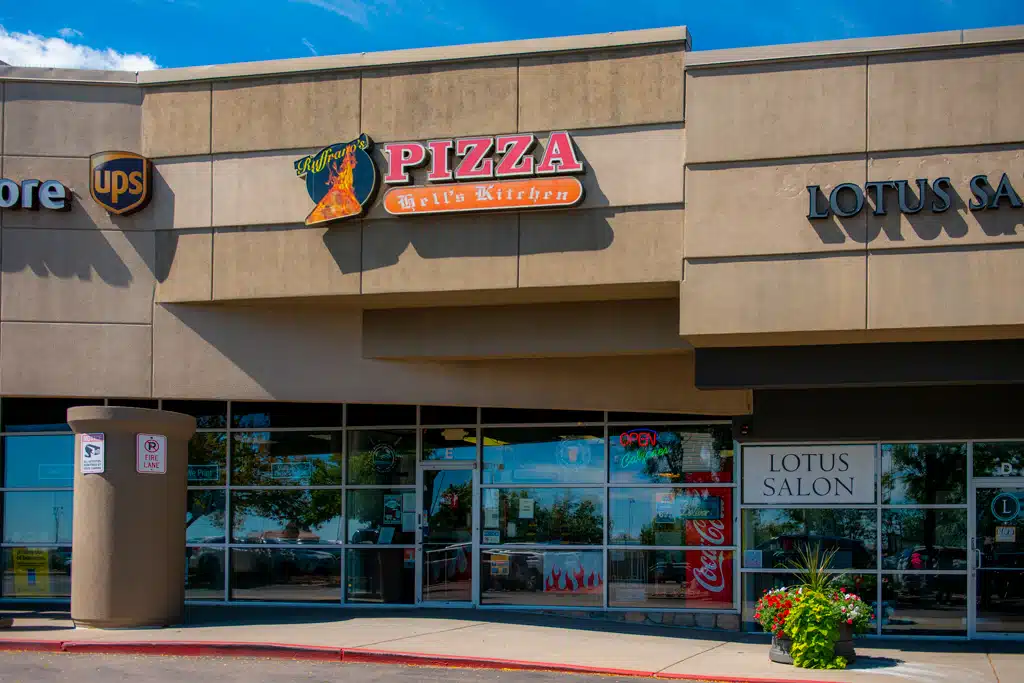
Ruffrano's Hell's Kitchen Pizza Cheyenne
Address: 1670 E Cheyenne Mountain Blvd, Colorado Springs, CO 80906
Phone number: +17195764355
FAQ About Pizza Place Cheyenne
What's the most popular pizza place?
The "most popular" pizza place depends on whether you measure by location count, total sales, or customer favorite status.
What is the 2 pizza rule?
The two-pizza rule is a management principle made popular by Amazon founder Jeff Bezos. It states that a team or meeting should never be larger than what can be fed with two large pizzas—typically translating to a group of 5 to 10 people (or roughly 6 to 12 people depending on appetites).
Is 2 pizzas enough for 10 people?
No, 2 pizzas are usually not enough for 10 people.